

Across Accra and other urban centers, luxury high-rises and modern estates continue to spring up. Many of them, however, remain eerily empty. These so-called “ghost towers” are not simply signs of overbuilding, they are evidence of money laundering and speculative investment finding its way into Ghana’s real estate.
What Are Ghost Towers?
Ghost towers are luxury apartments and buildings that stand mostly vacant. Instead of serving as homes for families, they often:
Act as “safe havens” for illicit or laundered money.
Artificially inflate property prices and rents in surrounding areas.
Deepen the housing affordability crisis by putting homes out of reach for most citizens.
While illicit funds pour into luxury apartments and estates that often remain empty, ordinary Ghanaians continue to struggle to find affordable homes. This practice not only distorts real estate prices but also deepens the gap between the rich and the poor, leaving many without decent shelter.
The Impact on Ghana’s Housing Crisis
Ghana already faces a housing deficit of over 1.8 million units. The growth of ghost towers makes this worse: Real estate becomes associated with inequality and corruption rather than opportunity. Ordinary Ghanaians struggle to access affordable homes. Young families are priced out of decent living spaces.
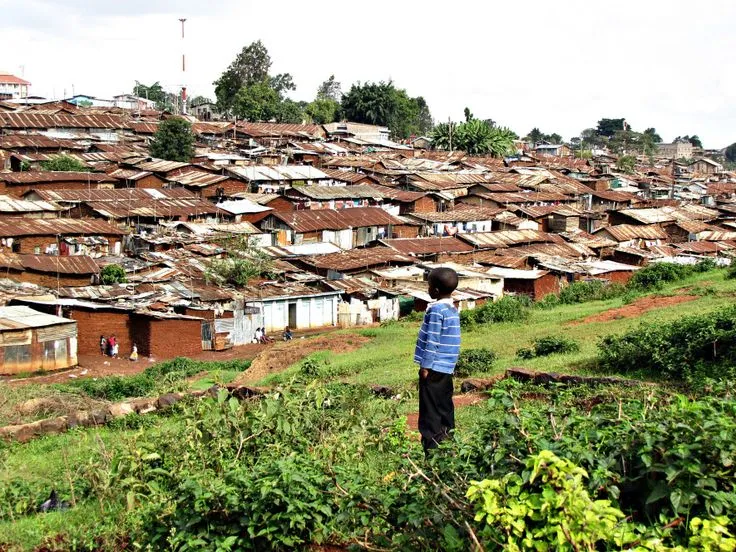
A Global Problem, A Local Challenge
From London to Dubai, cities across the world have seen ghost towers emerge as a result of illicit financial flows. But for Ghana, the impact is particularly sharp because of the urgent need for accessible, affordable housing.
The Way Forward
At Housing In Ghana, we believe:
Stronger policies and enforcement are needed to clamp down on illicit money in the housing sector. Housing must serve people before profit. Transparency and accountability are key to restoring credibility in real estate.
Join the Conversation
Should Ghana strengthen regulations to stop money laundering in real estate?What measures would make the housing market more accessible and affordable for citizens?
We’d love to hear your views. Share your thoughts below.
At Housing in Ghana magazine, we’re committed to providing you with the knowledge and resources you need to succeed in Ghana’s real estate market. Stay tuned for more expert insights, tips, and advice to help you navigate your real estate journey with confidence.


